The Art of Adaptive Reuse: Transforming Old Structures into Modern Marvels Jul 21, 2026
Understanding adaptive reuse is essential for homeowners contemplating new projects. It involves taking an existing building and repurposing it for a new use while retaining its original charm. This process often includes updating outdated interiors, reinforcing structures, and incorporating contemporary amenities.
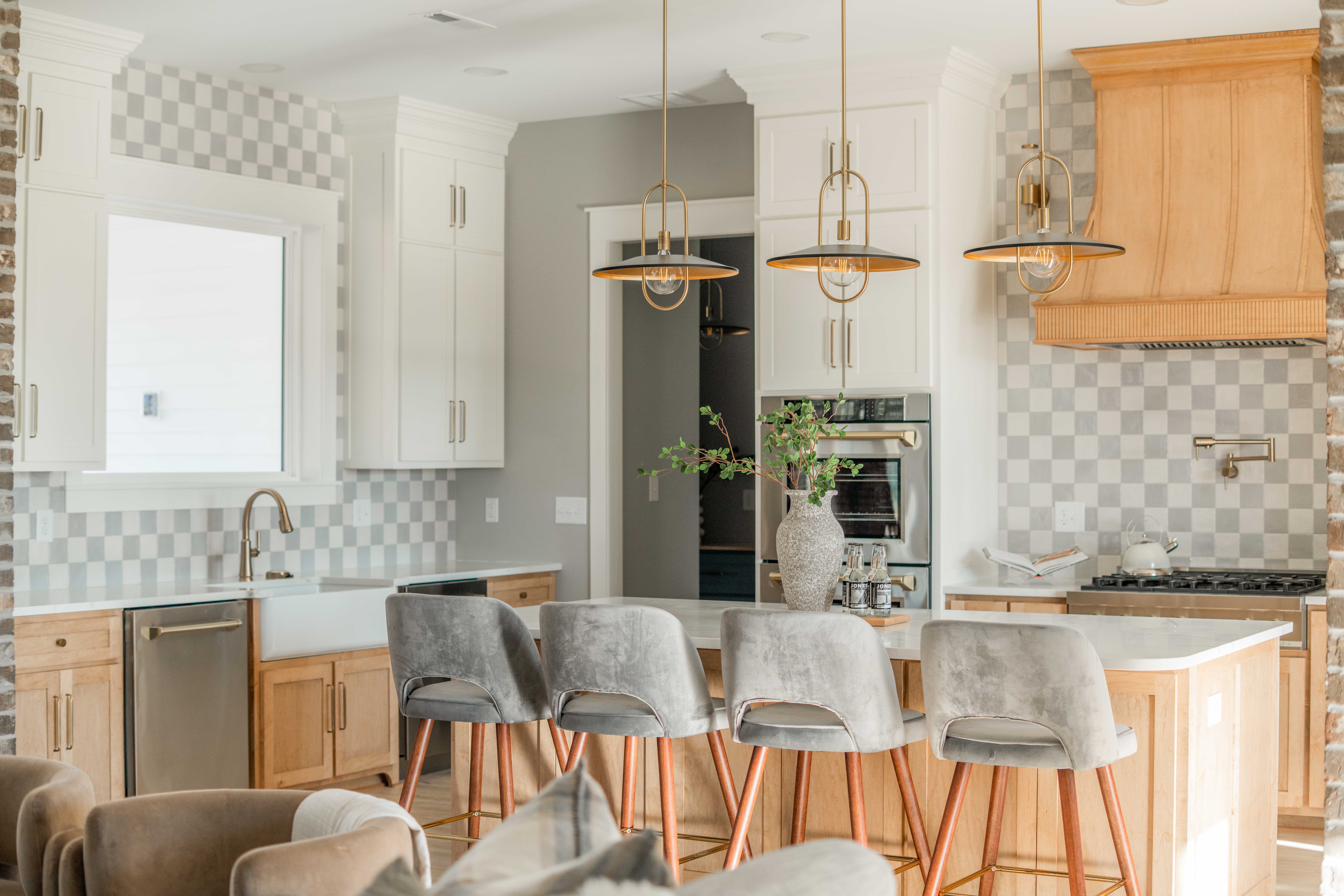
The process begins with a thorough assessment of the property. This initial step allows for the identification of core structural elements that can be preserved. Maintaining historical elements adds a unique aesthetic value that is often unattainable in new constructions. For instance, exposed brick walls or vintage wooden beams can become a focal point when refurbished correctly.
Energy efficiency is another crucial aspect of adaptive reuse. Older buildings are notorious for poor insulation and outdated heating systems. At Hartman Homes and Interiors, we employ modern solutions, such as installing double-glazed windows and advanced HVAC systems, to improve energy efficiency. This not only reduces the overall carbon footprint but also significantly lowers utility bills for homeowners.
Modernization also involves reconfiguring interior layouts to meet contemporary needs. Many older buildings include small, compartmentalized rooms that can be opened up to create spacious, open-plan living areas. This change enhances not only the functionality of the space but also its aesthetic appeal. Integrating smart home technology, such as automated lighting and security systems, further enhances the living experience, blending the old with the new seamlessly.
Another vital consideration is compliance with current building codes and regulations. Adaptive reuse projects often encounter unique challenges in bringing old buildings up to today's standards. Our team at Hartman Homes and Interiors is well-versed in the nuances of local codes, ensuring that each project meets necessary safety standards without compromising historical integrity.
Economic factors also play a significant role in adaptive reuse. Repurposing an existing building can be more cost-effective than demolishing and rebuilding. It reduces waste and maximizes the inherent value of the existing structure. Moreover, the preservation of architectural heritage through adaptive reuse often increases property value over time.
Sustainability is at the heart of adaptive reuse. By conserving resources and minimizing environmental impact, adaptive reuse aligns with broader goals of sustainable living. At Hartman Homes and Interiors, we are committed to green construction practices, using eco-friendly materials and methods throughout our projects.
In summary, the art of adaptive reuse offers a multitude of benefits, from environmental sustainability to economic efficiency and historical preservation. For homeowners interested in exploring this innovative approach, partnering with an experienced construction and remodeling service like Hartman Homes and Interiors can transform an ordinary renovation project into a personalized masterpiece. Embracing adaptive reuse is not just about updating a building; it’s about preserving history while crafting a space that is uniquely positioned for future generations. Whether you're looking to modernize your home, increase energy efficiency, or simply enjoy the aesthetic appeal of historic architecture, adaptive reuse is an elegant and practical solution.