Designing for Flexibility: Creating Multi-Functional Living Spaces Jul 22, 2026
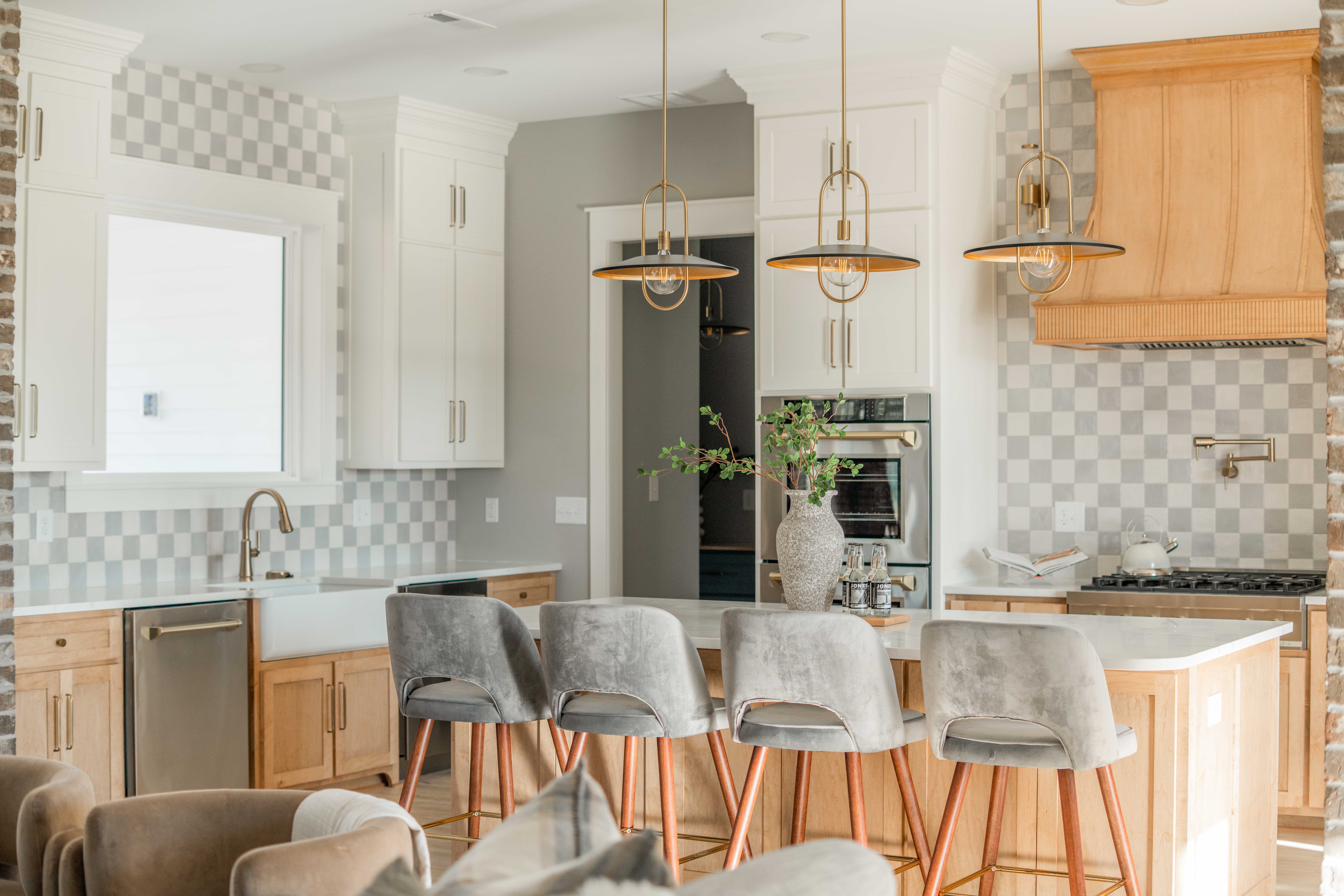
The concept of multi-functional living spaces revolves around adaptability. These spaces are designed to serve more than one purpose, often transitioning seamlessly from one function to another. For example, a guest bedroom can double as a home office, or a kitchen island can serve as both a cooking surface and a dining table. The key to achieving such versatility lies in thoughtful planning and innovative design solutions.
At the heart of designing for flexibility is the open floor plan. By removing unnecessary walls and creating open, contiguous spaces, you foster an environment where activities can easily flow from one area to the next. Open floor plans also allow for greater interaction and connectivity within the home, accommodating everything from family gatherings to casual movie nights.
Another crucial element is furniture that boasts multiple uses. Modular sofas, extendable dining tables, and fold-away beds are excellent examples of multi-functional furniture that can adapt to meet various needs. These pieces not only save space but also offer endless configuration possibilities, making your home more efficient and personalized.
Storage is another essential factor to consider. Efficient and accessible storage solutions, such as built-in shelves, hidden cabinets, and under-stair storage, help maintain a clutter-free environment. This not only maximizes space but also keeps your home organized, ensuring that the transition between different functions is seamless.
Lighting plays a pivotal role in creating flexible living spaces. A combination of natural light, ambient lighting, and task lighting can transform the mood and functionality of a room. Dimmable lights can create an intimate setting for evening relaxation, while bright, focused lights are ideal for work or reading corners, enhancing the room’s adaptability.
The choice of materials and color schemes can further impact the versatility of your living spaces. Neutral tones and natural materials provide a timeless backdrop that complements various decor styles. These choices also create a sense of continuity and calm, essential for areas serving multiple purposes.
As lifestyle needs evolve, the demand for smart home technology grows. Integrating smart technology into your design can significantly enhance flexibility. Voice-controlled devices, automated lighting, and home security systems can make transitions between different home functions smoother and more efficient, offering convenience at your fingertips.
In conclusion, designing for flexibility involves a harmonious blend of planning, innovative solutions, and a keen understanding of lifestyle needs. At Hartman Homes and Interiors, our expertise in construction and remodeling ensures that your multi-functional living spaces are as practical as they are inviting. Whether you're planning a home renovation or starting from scratch, we’re here to guide you every step of the way in creating a home that adapts to your dynamic life. Embrace the future of living with flexible space solutions that reflect both your personality and your ever-changing needs.